Essential Multi-Platform Content Strategy 2026
Content Strategy, Branding 2026, Multi-platform Marketing
The Multi-Platform Content System Every Brand Needs in 2026
In 2026, sophisticated brands and agencies are no longer asking whether they need content—they are refining the digital content system that will quietly, elegantly, and predictably grow their brand equity across every channel that matters. The era of ad hoc posts and disconnected campaigns is over. What wins now is a multi-platform engine built with the precision of a luxury timepiece and the intuition of a world-class concierge.
From Campaigns to Systems: Content Strategy as a Luxury Asset
True luxury is never rushed. It is deliberate, layered, and unmistakably cohesive. In the same way, a 2026 content strategy is no longer a calendar of posts; it is an adaptive, AI-informed system that orchestrates every touchpoint—from a CEO’s LinkedIn thought leadership to a TikTok trend, from a long-form article to a whispered mention in an AI-generated answer box.
Recent analyses show that content marketing now commands around 26% of the average marketing budget, and nearly 87% of marketers plan to increase that investment in 2026. Brands are not simply spending more; they are demanding that content behave like an appreciating asset—compounding visibility, authority, and audience engagement over time (Digital Applied, 2026). The only way to achieve that is with a system that is as intentional as your brand architecture and as responsive as your best relationship manager.
💡 Luxury Insight: In 2026, the most valuable content doesn’t just generate clicks—it deepens desire, trust, and long-term preference for your brand.
Branding 2026: Designing a Signature Presence Across Every Touchpoint
Branding 2026 is defined by a single, uncompromising standard: your audience should feel your brand before they see your logo. Whether they encounter you in a metaverse showroom, a short-form video, a podcast clip, or an AI-generated summary, the experience must carry the same emotional temperature, the same visual restraint, and the same narrative elegance. Forbes notes that by 2026, leading brands are using AI to deliver highly personalized experiences while foregrounding sustainability, ethics, and clear purpose as cornerstones of their positioning (Forbes Agency Council, 2023).
This means your digital content system must do more than maintain consistency; it must curate a world. Every asset—carousel, case study, AR experience, or live stream—becomes a chapter in a larger brand novel. The tone is human but refined, the visuals are minimal yet warm, and the stories are deeply authentic. As AI-generated noise grows, brands that lean into human-centric storytelling and genuine values are the ones that command premium attention and premium pricing (Stratton Craig; Fuelled Agency, 2026).

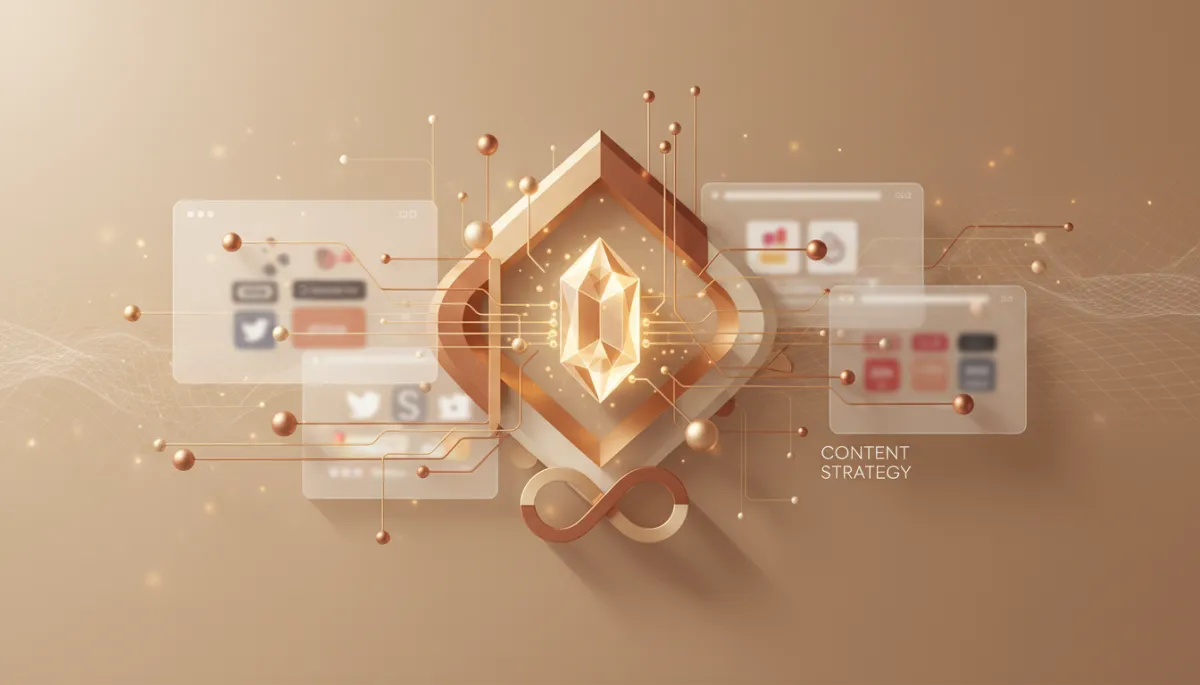
A refined brand world emerges when every platform echoes the same story.
The Architecture of a 2026 Digital Content System
Behind every seamless luxury experience lies an invisible infrastructure. Your digital content system is that hidden architecture: the processes, tools, and decision frameworks that ensure your brand speaks with clarity and grace across every environment—from AI search to social, from email to experiential activations.
AI-anchored intelligence layer: In 2026, AI is not just a copy assistant; it is the central nervous system of your content strategy, continuously analyzing performance, surfacing insights, and suggesting where to refine narratives or shift investment. Gartner highlights the rise of agentic AI—autonomous systems that orchestrate personalized, AI-mediated engagements at scale.
Adaptive planning, not static calendars: Reddit communities and enterprise leaders alike emphasize the move from linear planning to dynamic, data-responsive systems. Your editorial roadmap evolves in real time, guided by live signals: search intent, social conversations, and micro-community responses.
Multimedia-first content libraries: Video, interactive tools, and visual narratives are no longer “nice to have.” They are central to discoverability in AI-driven search and social ecosystems, as WordStream and TechTarget both underscore for 2026.
The result is a system that feels effortless from the outside: a brand that always appears in the right place, in the right format, with the right message—without ever looking like it is trying too hard.
Multi-Platform Marketing as a Curated Experience, Not a Content Flood
Multi-platform marketing in 2026 is not about being everywhere—it is about being unmistakable wherever your most valuable audiences choose to spend their attention. TikTok, LinkedIn, YouTube, Reddit, niche communities, voice search, visual search, and in-app content ecosystems each have their own etiquette, tempo, and unspoken rules. A luxury brand respects those nuances while never compromising its signature.
Best practices now center on omnichannel consistency, sophisticated personalization, and ethical data use. AI helps tailor content for each platform, but the strategy remains human-led: deciding which stories deserve to be told, where, and in what form. Marketing Week and Forbes both point to 2026 as the era of truly integrated, multi-platform marketing strategies that leverage the unique strengths of each channel while maintaining a unified brand experience.
💡 Luxury Insight: Treat each platform like a distinct lounge in the same flagship property—different ambiance, same standard of service, same unmistakable brand.
Audience Engagement: From Impressions to Intimate Relationships
In the luxury space, volume has never been the goal. Depth is. The same is now true of audience engagement across digital channels. Grazitti and Fuelled Agency both highlight a decisive shift toward smaller, more intentional communities—spaces where your brand can have real conversations, not simply broadcast messages into the void.
Your 2026 content system should be designed to cultivate these intimate circles: private Slack groups, invite-only communities, curated live sessions, and personalized email journeys that feel like a one-to-one dialogue. Metrics evolve from likes and views to dwell time, repeat interactions, referrals, and revenue influenced. The question becomes not “How many saw this?” but “Who stayed, who returned, and who brought a friend?”
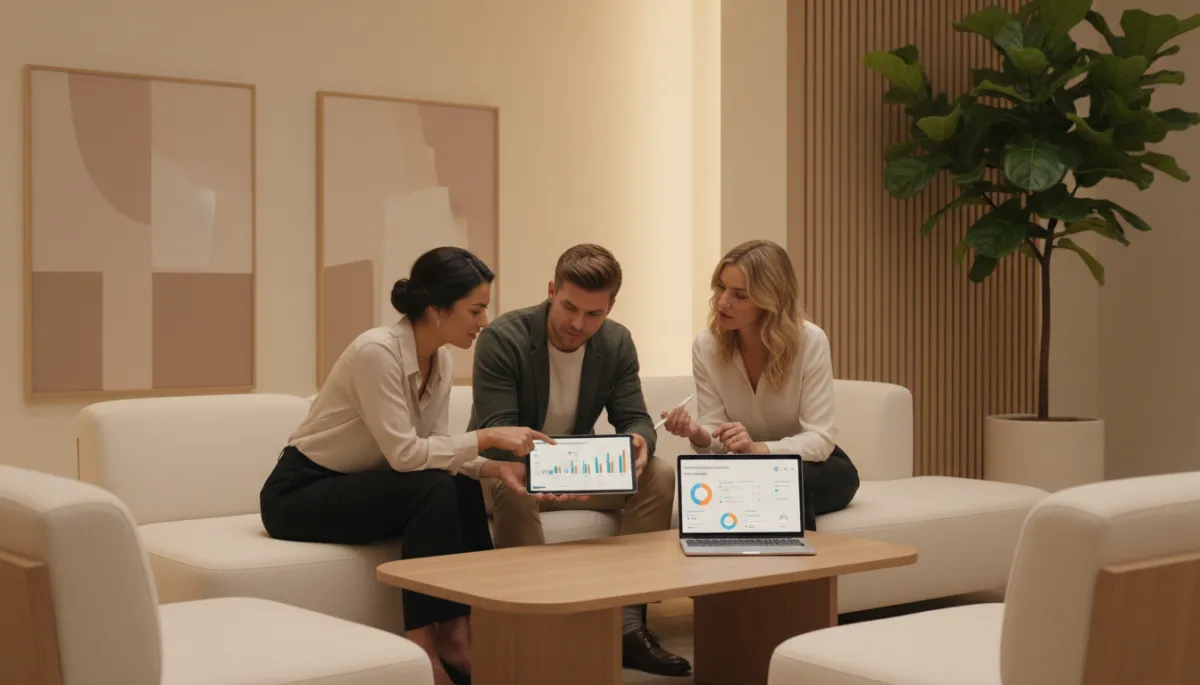
The most valuable metrics in 2026 measure depth, not just reach.
Cross-Channel Promotion with Zero-Visit Visibility in Mind
A defining nuance of 2026 is the rise of zero-visit visibility. Increasingly, your audience receives complete answers inside AI summaries, social previews, or platform-native cards without ever clicking through to your site. WordStream calls this a pivotal shift: success is no longer only about driving traffic; it is about owning the narrative wherever it is surfaced.
This reframes cross-channel promotion. Instead of forcing every touchpoint to push users back to a single destination, your multi-platform marketing approach allows each channel to deliver standalone value while subtly inviting deeper exploration. Thought leadership posts are written to be quotable by LLMs. Short videos are structured so their core insight stands on its own, even when clipped or remixed. Carousels, infographics, and micro-stories are optimized for being embedded, shared, and referenced in-platform.
Design content so it can be elegantly consumed without a click, yet still hint at a richer world behind the brand curtain.
Use consistent hooks, phrases, and visual motifs so that when your content appears in an AI answer or social share, it is still unmistakably yours.
Governance, Measurement, and the Art of Restraint
Luxury brands understand that what you choose not to do is as important as what you do. In content, that translates into governance and measurement: clear guardrails for AI use, defined standards for tone and visuals, and disciplined KPIs that separate noise from true impact. While two-thirds of marketers now use AI daily, only a small minority track AI-specific performance metrics—yet those who do see significantly higher ROI (Digital Applied, 2026).
For brands and agencies, this means building a measurement layer into your digital content system from day one. You are not merely counting outputs; you are tracing how content influences pipeline velocity, pricing power, partner interest, and long-term brand equity. You are tracking where AI assists versus where human craftsmanship is essential—and investing accordingly.

Elegant systems pair AI speed with human judgment and disciplined metrics.
Building Your 2026 Multi-Platform Content System: A High-Level Blueprint
Clarify the brand world. Before a single asset is produced, define the emotional territory your brand will own in 2026: values, sensory cues, narrative pillars, and non-negotiable standards. This is the foundation of your Branding 2026 approach.
Design the intelligence layer. Select and integrate AI tools that support research, ideation, personalization, and optimization— with clear governance rules. Your AI should enhance your content strategy, not dilute your voice.
Map your priority platforms. Identify the 4–6 platforms that matter most to your highest-value audiences. Architect your multi-platform marketing plan so each channel has a distinct role but contributes to a single, coherent story.
Craft modular, multimedia content. Build hero assets (flagship reports, films, experiences) that can be elegantly deconstructed into micro-content—short clips, quotes, carousels, interactive elements— optimized for cross-channel promotion and zero-visit visibility.
Engineer engagement journeys. Design pathways for audience engagement that move people from light curiosity to deep loyalty: from social discovery to newsletter, from newsletter to private community, from community to event or purchase.
Implement measurement with intention. Establish a concise set of luxury-level KPIs: brand lift, pricing power, community growth, strategic partnerships, and revenue influenced—not just clicks and impressions.
The Competitive Edge: When Content Feels Like a Private Club
The brands and agencies that will define 2026 are not the loudest. They are the most intentional. Their digital content systems are finely tuned to today’s realities—AI-mediated discovery, zero-click experiences, micro-communities, and multimedia storytelling—while preserving something technology cannot manufacture: taste.
For your business, that means building a system where every asset, every post, every interaction feels like an invitation into a private club: rare access, thoughtful conversation, and a quiet confidence that this brand understands not only what you need, but who you aspire to be. That is the promise of a truly modern, multi-platform content system—and it is the standard your audience will increasingly expect in 2026 and beyond.
The question is no longer whether you can afford to build such a system. The question is whether you can afford not to—while your most discerning customers watch, compare, and quietly choose the brands whose stories feel as considered and elevated as the experiences they deliver.